
What are some safe materials for baby and maternity products?
Jan 06, 2026
The choice of safe materials for baby and maternity products and toys directly affects a baby's health and growth environment. Generally speaking, food-grade silicone, Class A pure cotton, natural wood, ABS/PP environmentally friendly plastics, and TPR/TPE elastomers are currently the most authoritatively verified and widely recommended safe materials.
Safe Materials in Baby Products
Food-grade Silicone
Applicable Products: Baby bottles, nipples, teethers, baby food bowls and spoons, comfort blankets
Advantages: High temperature resistance (up to 120℃ or higher), non-toxic and odorless, chemically stable, and unlikely to release harmful substances.
Note: Must comply with the upcoming GB 4806.16-2025 standard to avoid excessive volatile substances in inferior silicone.
Class A Pure Cotton
Applicable Products: Baby underwear, bedding, swaddle blankets, bibs
Advantages: Complies with GB 18401-2010 Class A standard, formaldehyde content ≤20mg/kg, pH value 4.0–7.5, high color fastness to saliva, suitable for close contact with the skin and for chewing.
Note: Not all "pure cotton" is safe; it must be labeled "Class A infant and toddler products".
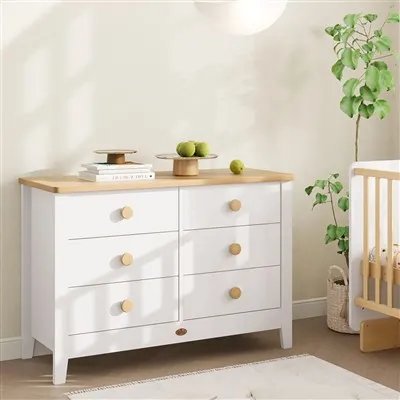
Natural Wood (e.g., beech, linden)
Suitable Products: Cribs, toys, tableware
Advantages: Environmentally friendly and durable; non-toxic and odorless after treatment with plant-based wax oil, suitable for babies to chew on.
Caution: Avoid using engineered wood products containing urea-formaldehyde resin to prevent formaldehyde release.
Glass & Stainless Steel (Food Grade 304/316)
Suitable Products: Baby bottles, food containers, tableware
Advantages: High chemical stability; transparent and easy to observe; however, glass needs to be shatterproof, and stainless steel should not be used to store acidic foods for extended periods.