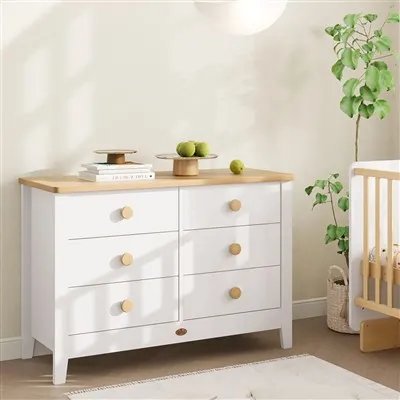

Storage Conditions for Baby Products and Toys
Jan 19, 2026
Special attention should be paid to the dryness, coolness, and safety of the environment when storing baby products and toys to avoid deterioration, aging, or safety hazards caused by moisture, high temperatures, or contamination. The core principles are: avoidance of light, moisture protection, ventilation, keeping out of reach of children, and regular checks on their condition.
Key Points for Storage of Baby Products
Formula and Complementary Foods
Store in a cool, dry, and dark place, away from heat sources or direct sunlight to prevent nutrient loss and clumping.
Once opened, seal tightly and use within one month. Sterilize preparation utensils daily. Do not reheat leftover rice cereal.
Prepared formula that has not been consumed by the baby can be refrigerated for no more than 24 hours; if the baby has consumed but not finished, discard within 2 hours.
Breast Milk Storage
Refrigerated (below 4℃), it can be stored for 3–5 days; frozen (-18℃), it can be stored for 3–6 months. Avoid repeated thawing and freezing.
Seal and label with the time using dedicated breast milk storage bags. Store in the temperature-stable area at the back of the refrigerator, away from areas where the refrigerator door is frequently opened and closed.
Bottles, nipples, and other feeding supplies:
Thoroughly clean and sterilize at high temperatures before and after use. It is recommended to use a sterilizer, ensuring good ventilation and avoiding overcrowding.
If a sterilizer is unavailable, store in a clean, dry place out of reach of children to prevent secondary contamination.
Replace frequently used items such as nipples regularly to prevent aging or bacterial growth.
Other nursing products (wipes, diaper rash cream, etc.):
Keep packaging sealed to prevent moisture evaporation or contamination.
Store in a cool, dry place. Avoid placing in high-humidity environments such as bathrooms to prevent spoilage or mold.